Arrowwood NWR
Prairie Pothole Region
NWRNational Wildlife RefugePeak windowVerified coordinates
Top birds: Northern Shoveler, Franklin's Gull, Yellow Warbler
Free
Other · Fall migration in September
Live observation
Recent North Dakota reports from eBird, closest first from Bismarck (the default starting point).
These are observations submitted by birders and are not reviewed before appearing here. A report is not a guarantee that the bird is still present, and a sighting location is not a public-access guarantee.
Recent sightings data from eBird, Cornell Lab of Ornithology. Sunrise, sunset and sun direction: calculated on your device from the location's coordinates.
S = spring window, F = fall window, B = both. Built from the month arrays in the source record; months are January (1) through December (12).
Planning guidance from this bird's own seasonal record, not a live report. Weather shifts these dates every year, sometimes by a fortnight.
Migration journey reference: National Audubon Society Bird Migration Explorer.
See the full journey on Audubon's Bird Migration ExplorerEastern ND marshes; Missouri River corridor
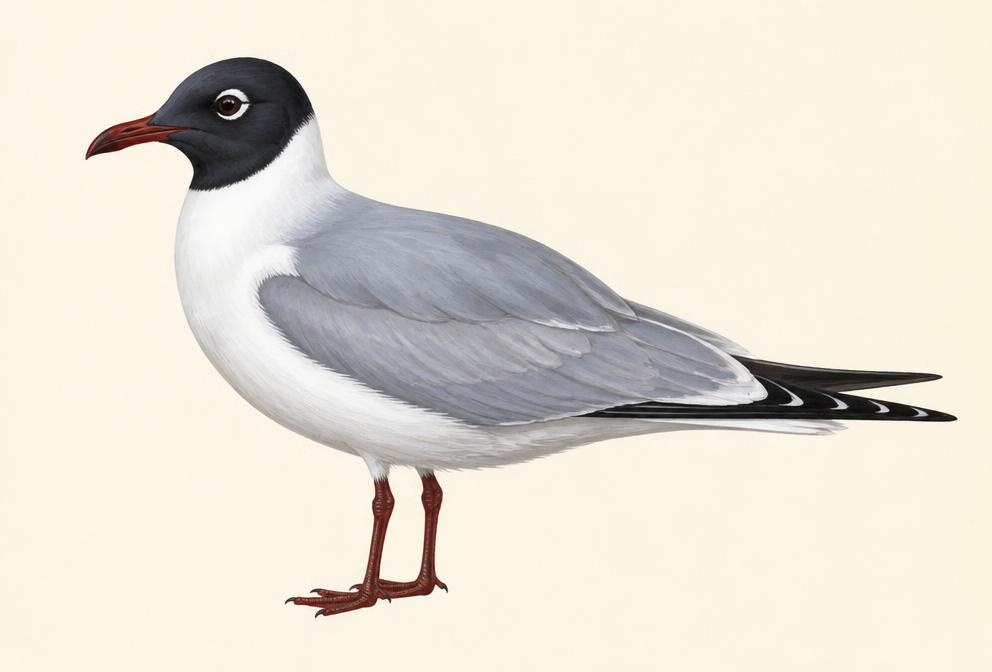
Huge wheeling flocks over marshes at dawn; in breeding plumage (black hood, rosy breast) they are among the prettiest gulls.
Wildlife safeguards
Each place shows what eBird received within 10 miles of that place in the last 7 days. Reports further away belong to somewhere else and are never counted here.
Prairie Pothole Region
Top birds: Northern Shoveler, Franklin's Gull, Yellow Warbler
Free
Missouri River Corridor
Top birds: American White Pelican, Franklin's Gull
Free day use
Devils Lake Basin
Top birds: Franklin's Gull, Canada Goose
ND state park vehicle permit: $7 daily / $35 annual
Red River Valley
Top birds: American White Pelican, Franklin's Gull
Free day use
Missouri River Corridor
Top birds: Franklin's Gull, Yellow Warbler
ND state park vehicle permit: $7 daily / $35 annual
Red River Valley
Top birds: Snow Goose, Northern Shoveler, Franklin's Gull, Bobolink
Free
Recent sightings data from eBird, Cornell Lab of Ornithology.
Recent sightings data from eBird, Cornell Lab of Ornithology.
These are historical public posts collected as supporting evidence. They are not live sightings and do not guarantee current bird activity. Photos are not copied here — each entry links to the original post.
No collected posts reference this species. That is a gap in the evidence set, not evidence of absence.