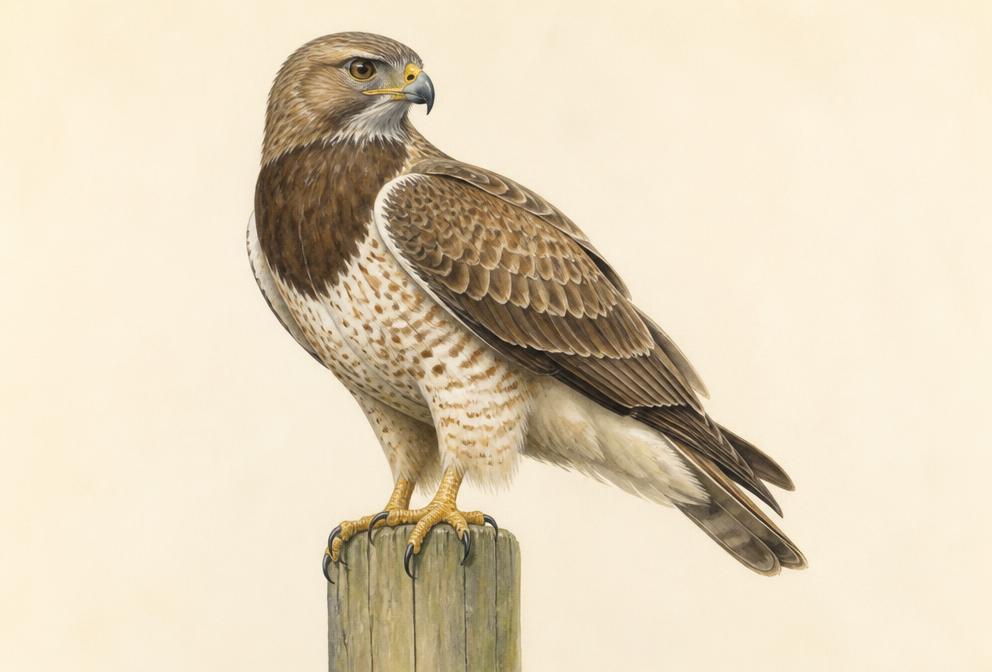
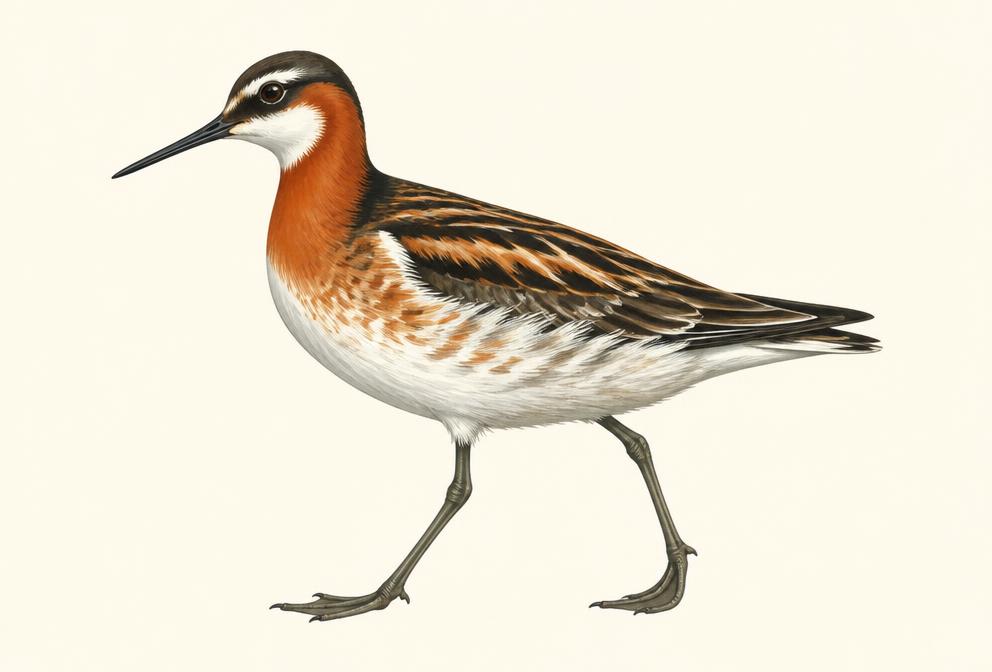
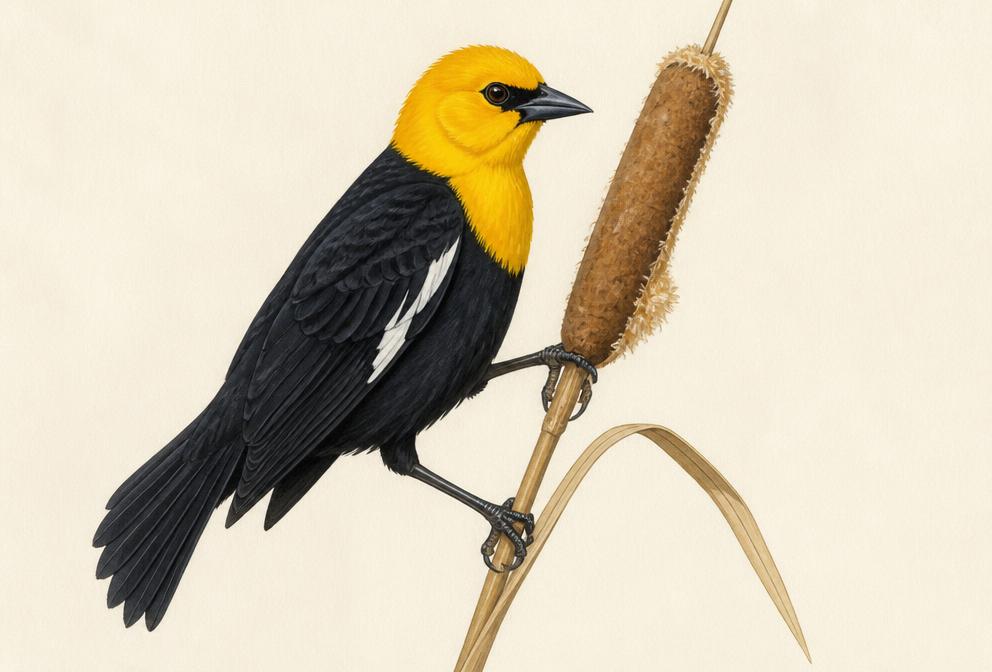
21 of 30 birds have a September migration window, and 36 of 41 public places list September as a peak month. Seasonal matches are planning guidance, not confirmed live sightings.
Planning month: September
Migration timing changes with weather, ice-out, water levels, and food conditions. Verify current access and recent observations before traveling.
Open the map
See places, live eBird reports and public-land boundaries for the day you are shooting.
Tap for recent sightings, where to go and today's light →
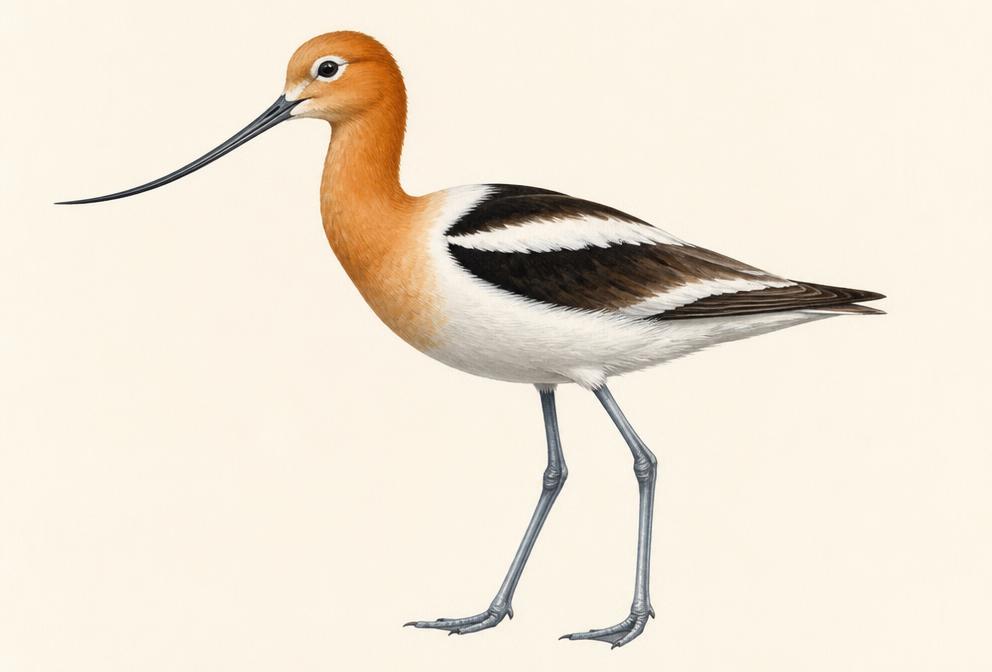
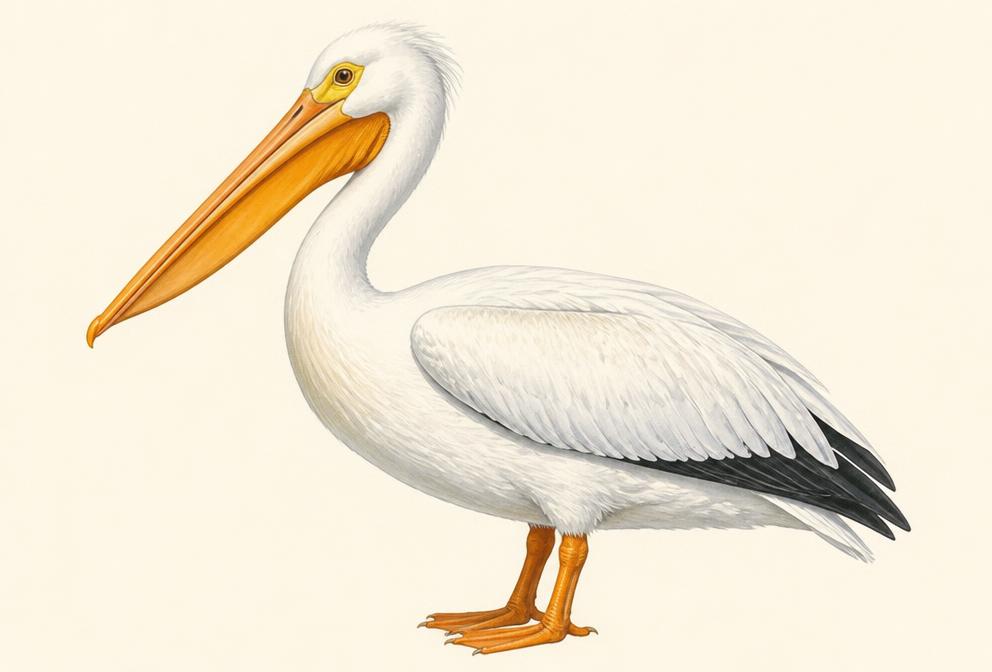
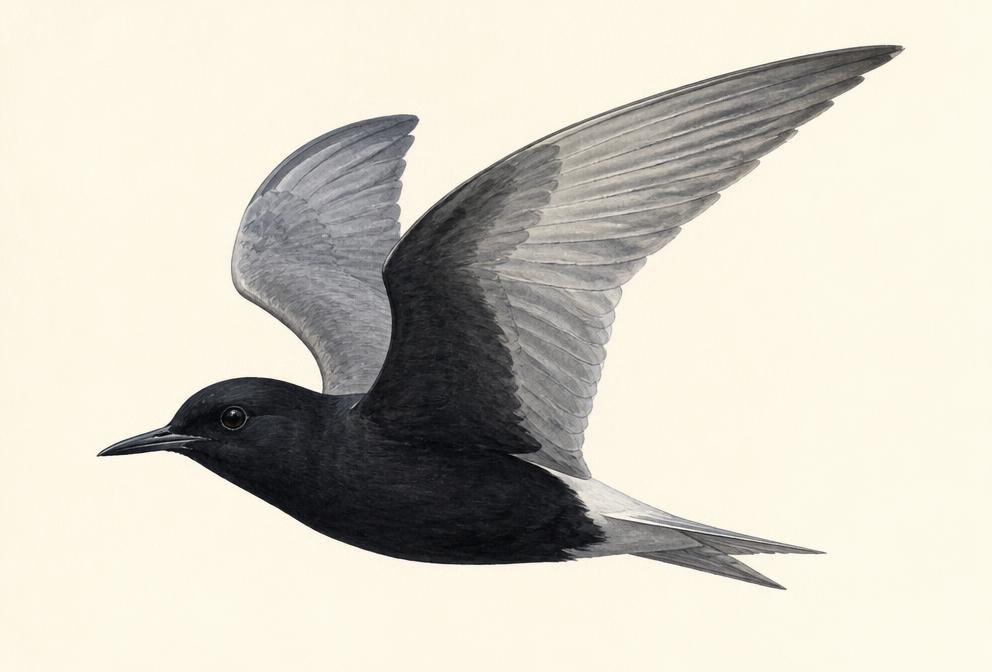
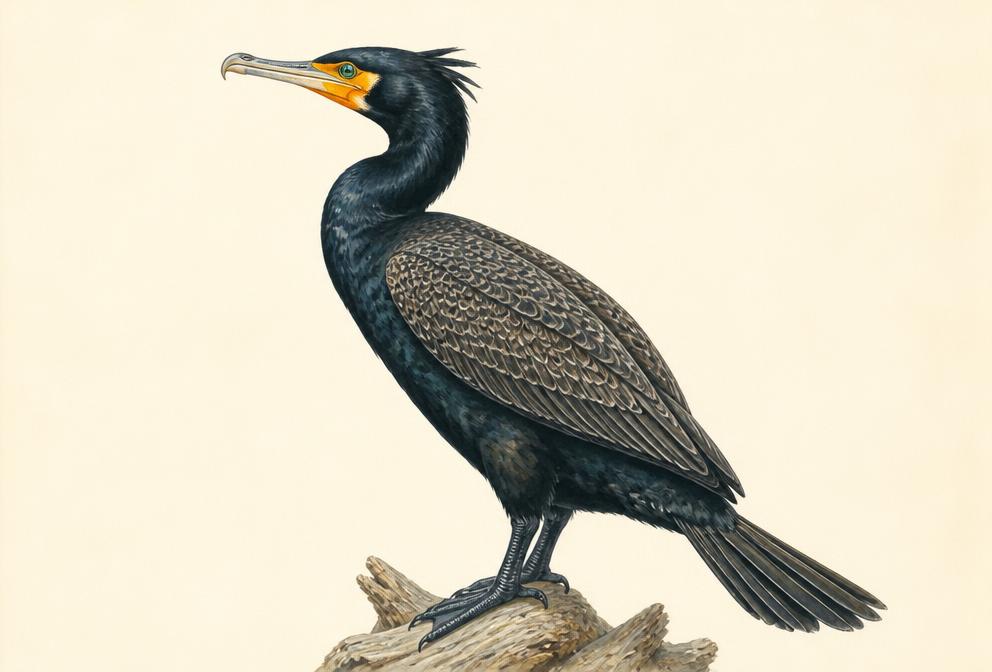
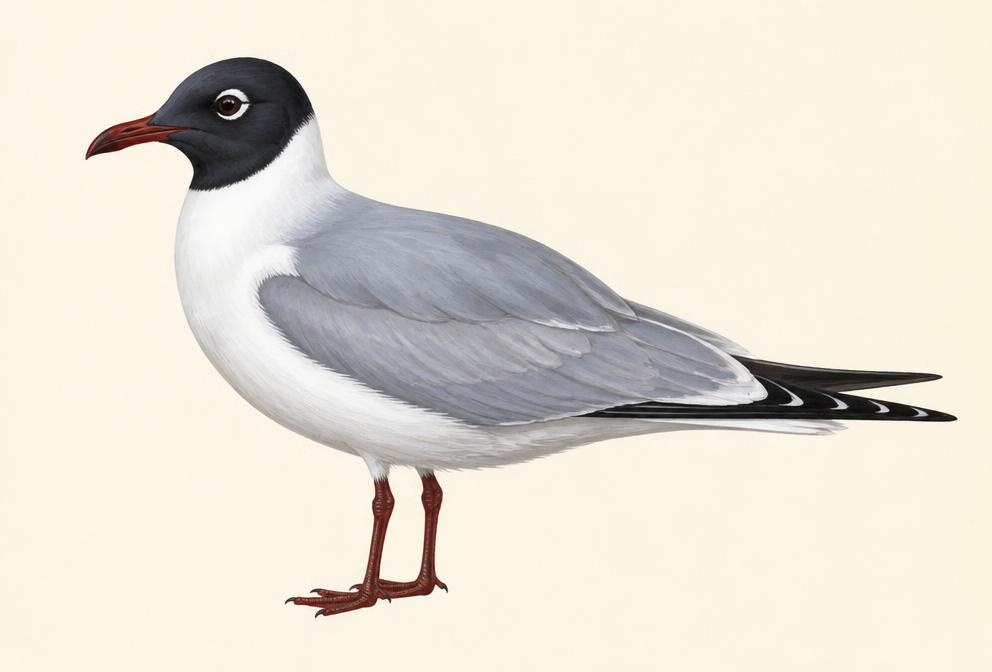
Photograph the colony only from established distant viewpoints; do not approach nesting islands. Synchronized cooperative fishing groups on lakes make spectacular flight and feeding shots.
Tap for recent sightings, where to go and today's light →
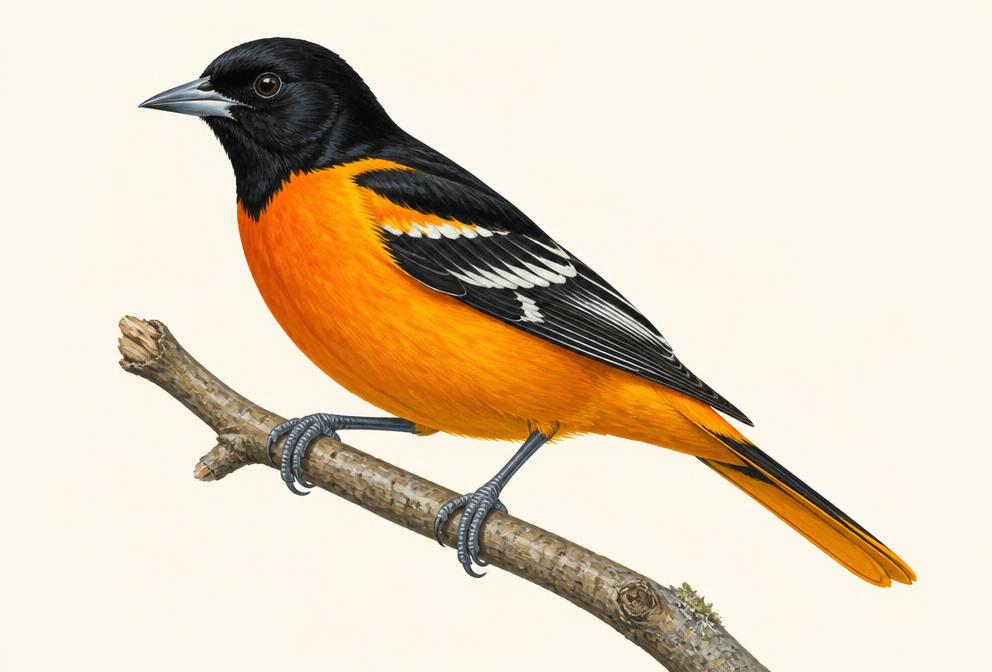
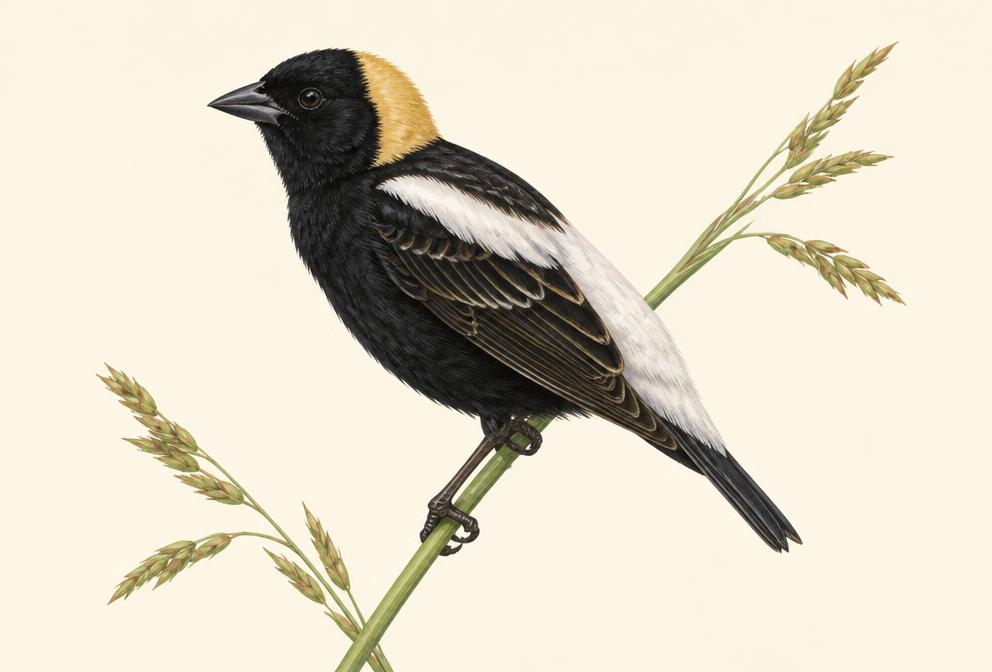
Males arrive before leaves fully open; early May cottonwoods along the Missouri River bottoms are prime. Oranges and nectar feeders bring them to eye level.
Tap for recent sightings, where to go and today's light →
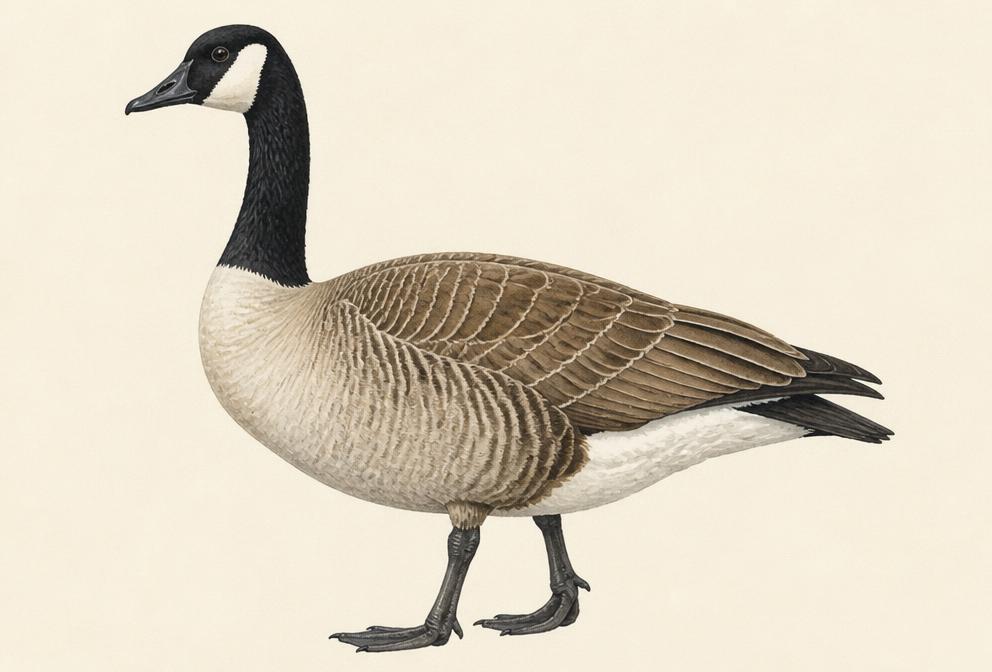
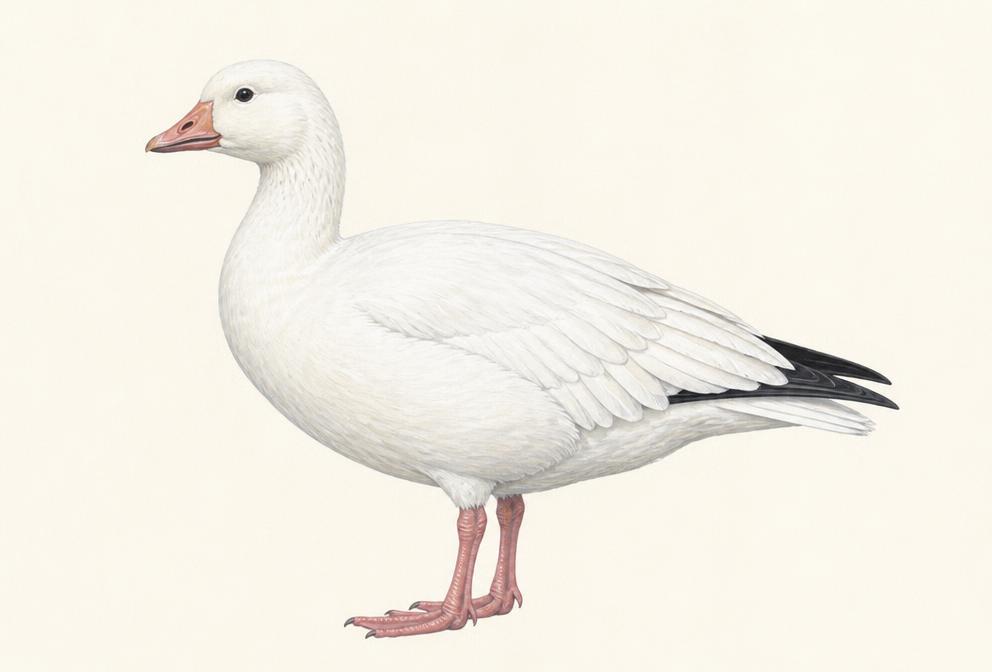
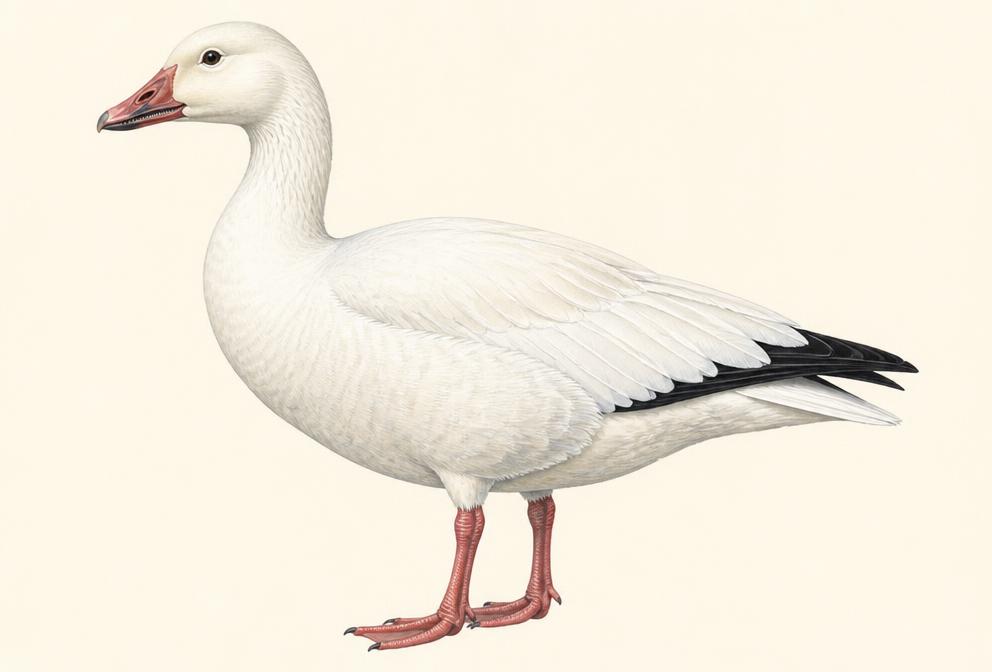
Work flooded fields and pothole lakes at dawn and dusk for massive lift-offs; 'tornado' departures are the signature shot. Late March to early April concentrations can number in the hundreds of thousands.
Tap for recent sightings, where to go and today's light →
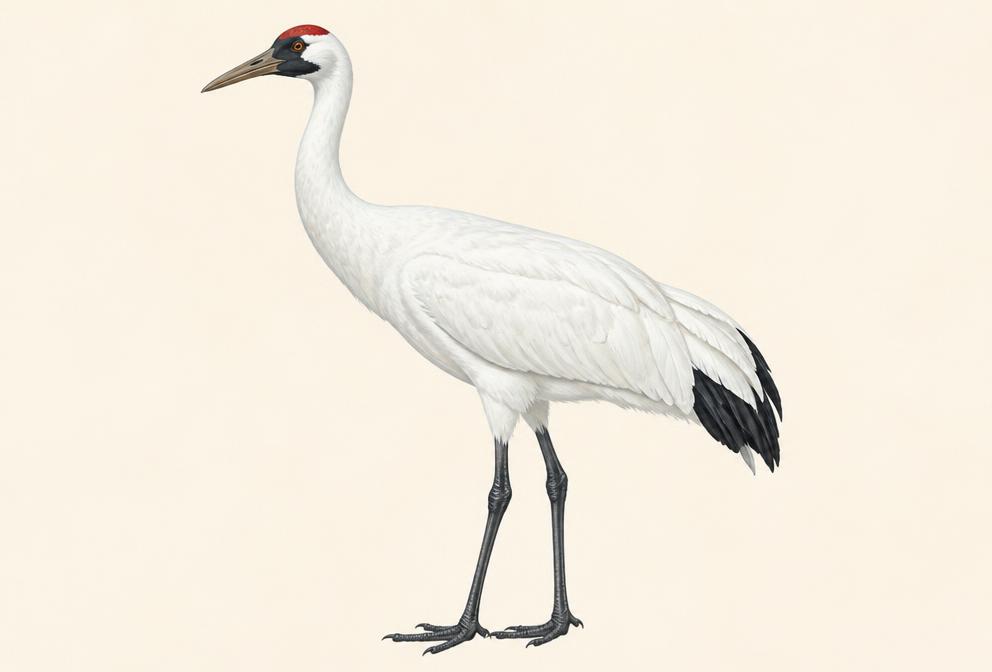
A rare, luck-based sighting. Five feet tall, white with black wingtips, neck extended in flight (pelicans tuck their necks; don't confuse). Do not disturb; report date, time, location, activity, and leg bands to USFWS Lostwood (701-848-2466), Long Lake (701-387-4397), or ND Game and Fish (701-328-6300).
early to mid-May (representative of 25+ warbler species; peak warbler movement is mid-May)
Fall
late August to September
J
F
M
A
S
J
J
F
F
O
N
D
JFMAMJJASOND
Tap for recent sightings, where to go and today's light →
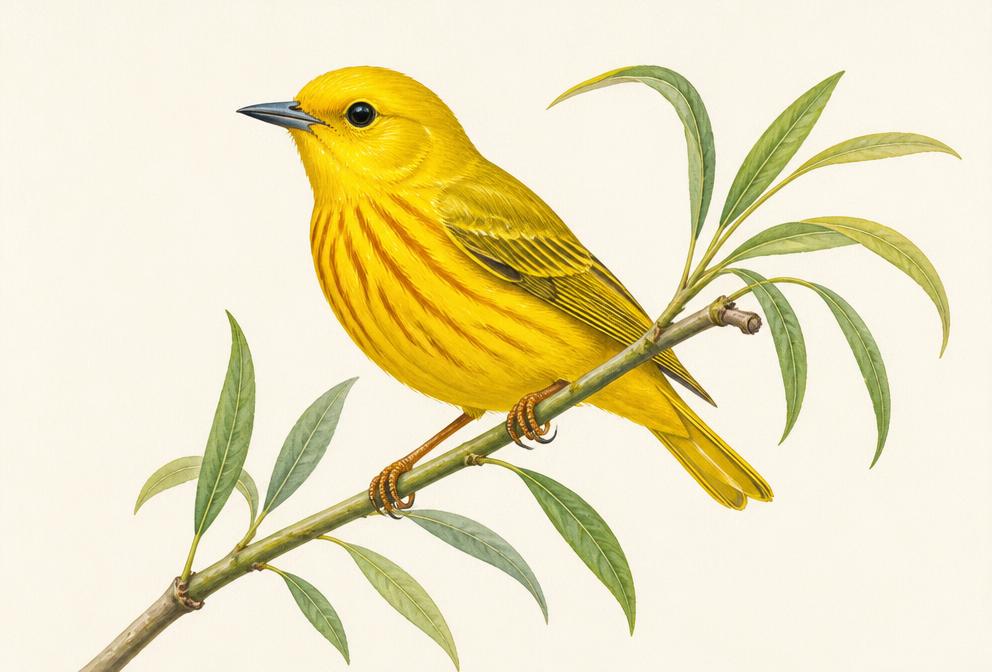
Willow thickets at eye level in morning light. In mid-May, Tennessee, Magnolia, Blackburnian, American Redstart, and Blackpoll warblers move through in the same week.
Ranked by peak-season timing plus recent eBird activity near each place. Distances are from Bismarck, the default starting point.
Seasonal expectationLive observation
These are observations submitted by birders and are not reviewed before appearing here. A report is not a guarantee that the bird is still present, and a sighting location is not a public-access guarantee.
Recent sightings data from eBird, Cornell Lab of Ornithology. Sunrise, sunset and sun direction: calculated on your device from the location's coordinates.
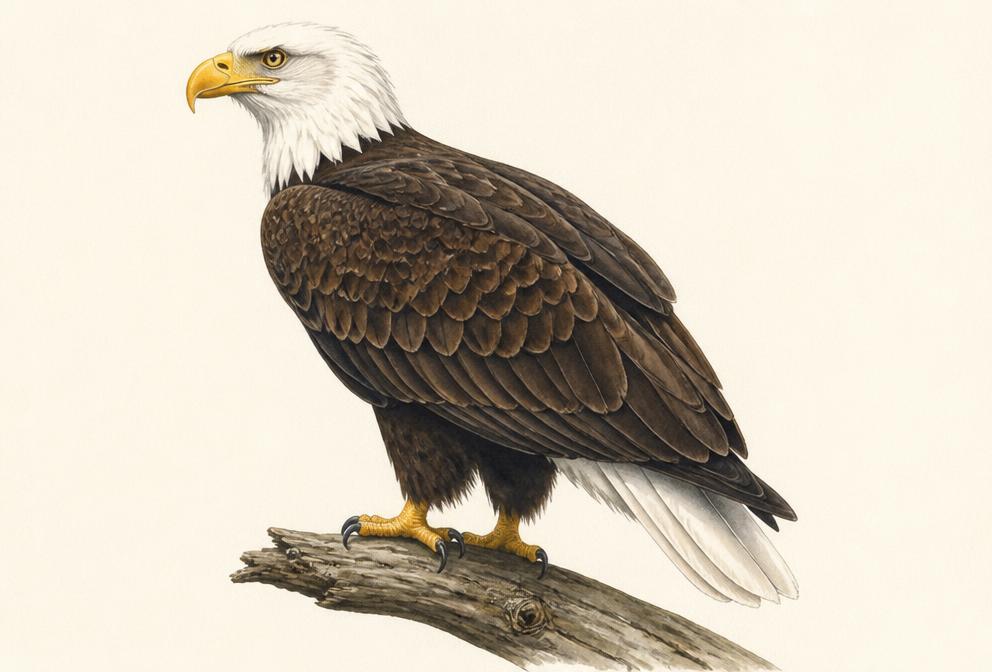
December to March: the state's premier cold-weather waterfowl and eagle site, because the water below the dam stays open. Also spring and fall migration.
The largest counts submitted to eBird in North Dakota in the last 7 days — the movements worth driving for.
Photograph a large flock from a distance and never flush it: a panicked lift-off costs the birds energy they need for migration.
These are observations submitted by birders and are not reviewed before appearing here. A report is not a guarantee that the bird is still present, and a sighting location is not a public-access guarantee.
Recent sightings data from eBird, Cornell Lab of Ornithology.
Trees and leaves
Live observation
When the leaves came out this spring in each part of North Dakota, measured by the national phenology network. Bare branches mean open sightlines; full leaf means shade and cover.
When leaves turned colour
Historical evidence
Nobody publishes an open fall-colour peak map, so these are the dates volunteers recorded coloured leaves in North Dakota — a handful of plants at a handful of sites, not a statewide peak. Use the official reports below for the wider picture.
Leaf-out and leaf-colour timing: USA National Phenology Network (usanpn.org).
Recent sightings
Live observation
Recent sightings data from eBird, Cornell Lab of Ornithology.
These are observations submitted by birders and are not reviewed before appearing here. A report is not a guarantee that the bird is still present, and a sighting location is not a public-access guarantee.
Based on Bismarck, the default starting point. Tap “Use my location” above to work the times out where you actually are.
Nocturnal migration
BirdCast reference
BirdCast uses weather-radar data to measure nocturnal migration: how many birds are crossing a region, how intense the movement is, and the direction, speed and altitude they are flying, along with the migrants expected on a given night. Big overnight movements often mean new birds on the ground to photograph the next morning.
Live intensity, direction and expected-migrant figures are not shown here: BirdCast publishes them on its own maps and there is no feed this app is allowed to read. Open a link below for tonight's real numbers.